


Pittwater Who's Who
Public Profile
PUBLIC PROFILE
Nambucca River Tourist Park
Local ResidentNambucca river tourist park
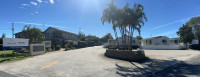
Designed to feel like a home away from home, the Park is set on a quiet location on the river. Nambucca River Tourist Park offers diverse accommodation options, including modern villas, cosy cabins and caravan sites. The Park amenities include a swimming pool and BBQ facilities, putt putt golf and giant chess, ensuring there’s something for travellers of all ages. Embracing a pet-friendly policy, Nambucca River Tourist Park extends a warm welcome to guests travelling with their furry companions.
Conveniently located near Macksville and Nambucca Heads, the Park is an ideal base for exploring the region. Take a short drive to Gumma Reserve for water activities or explore nearby beaches and attractions. Whether you’re paddling on the river, relaxing by the pool, or exploring the area, Nambucca River Tourist Park offers the perfect setting for your next getaway.
Connect through my public pages
Public information provided by this member.
Share this Portrait
Distinguished and Famous people from Pittwater
📚 Susan Duncan
Susan Duncan turned to life on Pittwater after a long journalism career that included editing major women’s magazines. Her memoir Salvation Creek and its sequel explored rebuilding a life, while fiction drew on waterfront communities and their inhabitants. In discussing her work, she described observing changing light, birds, ferry conversations and the local characters around her. The house she occupied had been built for poet Dorothea Mackellar, adding another literary connection to the shore. Boats and water supply a picturesque setting, but the books also attend to grief, friendship and the practical work of making a new home.
✍️ Morris West
Morris West settled at Clareville in 1982 after years living overseas. Already internationally successful through novels including The Devil’s Advocate and The Shoes of the Fisherman, he continued writing from Sydney’s northern beaches. He also supported the National Library through an endowment and service as council chairman. His books frequently examined power, conscience and the Catholic Church, drawing an international readership into moral and political dilemmas. Clareville provided a later working home for that career. The waterside setting belongs to the years after his reputation was established, when writing and support for cultural institutions remained substantial occupations.
